
Kraft Paper vs White Cardboard: Which One for Your Food Brand?
Kraft paper and white cardboard are the two most common boards for food packaging, but they are not interchangeable. The choice affects how your packaging looks, how well it prints, how it handles grease, and what it costs. This guide compares them on the factors that matter for food brands.
1. The Look and Brand Message
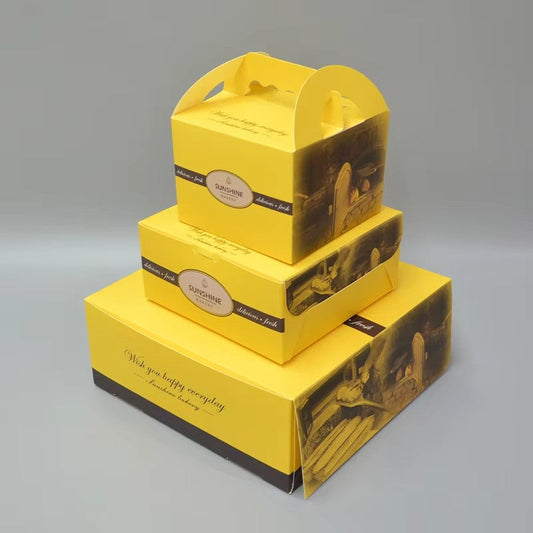
Kraft paper has a natural brown color from unbleached wood pulp. It reads as eco-friendly, artisanal, and honest, which fits brands selling organic, natural, or farm-to-table food. White cardboard is bleached, so it looks clean, premium, and modern, which suits brands with strong visual identity, bakery products, and gift packaging. The board itself sends a message before the logo is printed: choose kraft for a natural story, white for a premium story.
2. Print Quality
White cardboard prints brighter colors and sharper details because its surface is smoother and more even. If your design uses vivid colors, gradients, or product photography, white board is the better canvas. Kraft paper prints well too, but the brown base changes how colors appear; logos and text in kraft and black stay crisp, while light colors can look muddy. Many brands combine both: a kraft box with a white printed label or a white box with kraft accents.
3. Grease Resistance
Grease resistance is where food packaging lives or dies. Kraft paper hides grease stains better than white cardboard, which is why fried chicken boxes and burger boxes are often kraft. White cardboard shows oil marks more easily, so it needs a grease-resistant coating or a liner for greasy food. If your product is fried, saucy, or oily, plan for a greaseproof liner or coated board regardless of the base color.
4. Cost and Sustainability
Kraft paper is usually less expensive than white cardboard of the same thickness, and it is made from unbleached pulp, which fits the sustainability story. White cardboard uses more processing and often costs more. The price gap narrows when you add printing and finishing, so compare the full product cost, not just the board cost. Both boards can be made from recycled content and FSC-certified paper on request, which strengthens your environmental claims.
5. Which One for Your Product
The best choice depends on the product. Use kraft for fried chicken boxes, burger boxes, bakery paper bags, and takeaway sets where the eco look and grease resistance matter. Use white cardboard for cake boxes, gift packaging, cosmetics-style presentation, and designs that depend on vivid color printing. When in doubt, order samples in both boards and test them with your actual product before committing to a large order.
Related products you may need: